Sustainability
Kuehne+Nagel and Hapag-Lloyd expand low-emission ocean-freight deal
Kuehne+Nagel will use Hapag-Lloyd’s Ship Green product for about 3,300 TEU on East Asia-North Europe lanes in 2026.

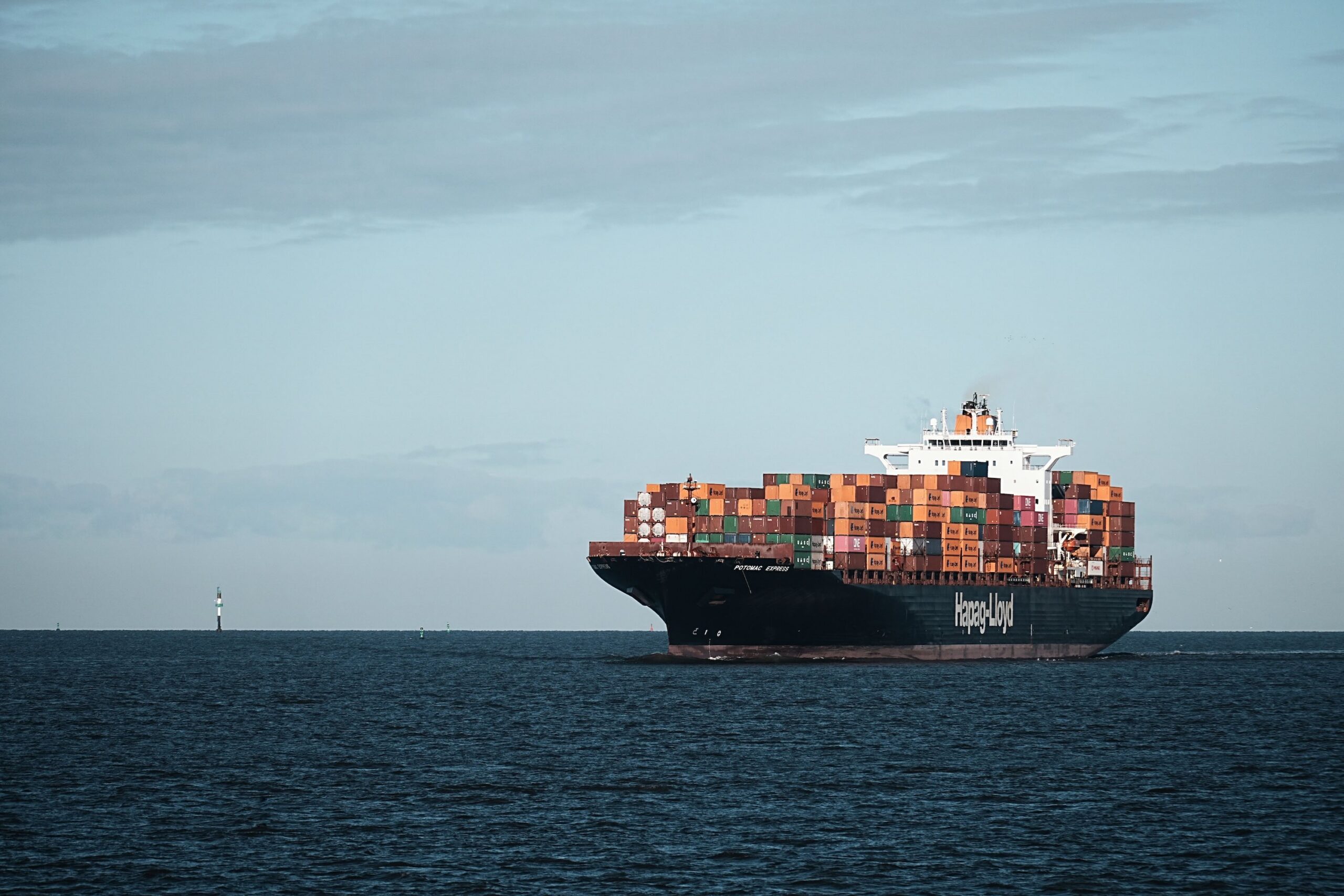
Kuehne+Nagel and Hapag-Lloyd are expanding their partnership into lower-emission ocean transport, with Kuehne+Nagel using Hapag-Lloyd’s Ship Green product for selected East Asia-to-North Europe cargo.
The agreement covers about 3,300 TEU moving between April and December 2026, FreshPlaza reported, citing the companies’ announcement. The shipments will use certified waste- and residue-based biofuels and are expected to avoid about 2,979 metric tons of CO2e emissions on a well-to-wake basis.
That is not a full decarbonization answer for container shipping. It is a targeted book-and-claim style move for cargo owners trying to reduce Scope 3 emissions now, before alternative fuels are broadly available at scale.
Hapag-Lloyd says Ship Green gives customers a way to lower reported ocean-freight emissions by supporting the use of lower-emission fuels. Kuehne+Nagel said the partnership depends on transparent emissions data and commercially usable options for customers.
The route choice matters. East Asia-to-North Europe is one of the container market’s major long-haul trades, and it is also a lane where shippers face pressure to report and reduce transport emissions. For retailers, consumer-goods companies and manufacturers moving goods into Europe, ocean-freight emissions are increasingly part of supplier and customer conversations, not a separate sustainability report item.
The agreement is still small next to the scale of global container shipping. Its value is in testing demand and documentation. Freight buyers need credible accounting, carriers need paying demand for alternative fuels, and forwarders need products they can sell without overpromising.
Human review should check the underlying certificates and accounting approach before treating the claimed CO2e reduction as equivalent to physical emissions removed from a specific box.






The Untold Logistics of Running a Resort in Paradise (With Glenn Jampol)

DHL and USPS sign $10B-plus last-mile parcel agreement

FMC collects $1.9 million from Maersk over detention billing dispute

Accenture backs Aera as companies push AI into supply-chain decisions

Kuehne+Nagel and Hapag-Lloyd expand low-emission ocean-freight deal
