Trucking
Walmart opens LTL consolidation program to more prepaid suppliers
Walmart’s prepaid consolidation program lets suppliers combine smaller inbound shipments through automated centers feeding 42 regional DCs.

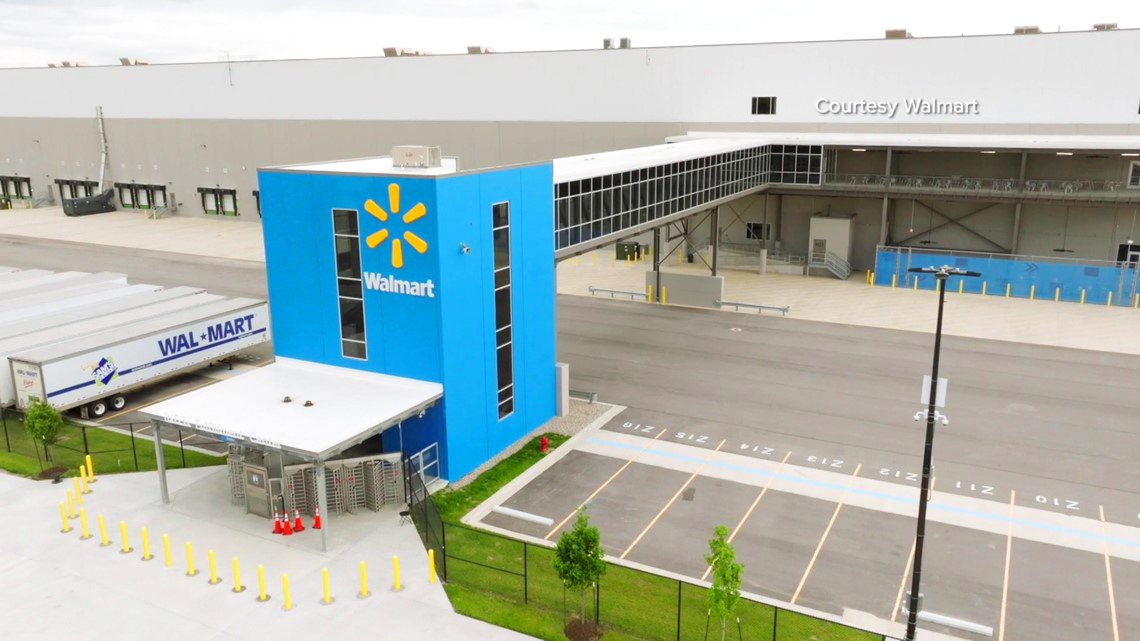
Walmart is expanding access to its inbound consolidation network for suppliers that use prepaid freight terms, a move aimed at reducing fragmented less-than-truckload shipments into its U.S. distribution network.
The new Prepaid Consolidation Program lets participating suppliers combine smaller shipments at Walmart automated consolidation centers before freight moves to the retailer’s 42 regional distribution centers, according to reports from Sourcing Journal.
Walmart has three automated consolidation centers in Colton, California; Minooka, Illinois; and Lebanon, Pennsylvania. The network had previously been available to suppliers using collect freight terms, where Walmart arranges the transportation. The new program extends the model to prepaid suppliers that traditionally controlled their own freight from origin to Walmart facilities.
The operational change is simple on paper: fewer small inbound moves, more consolidated truckload flow and cleaner allocation across Walmart’s regional DC network. FreightWaves reported that suppliers that once might have handled separate purchase orders for many DCs can use a single national purchase order to one location, with Walmart combining inventory and routing it onward.
Sourcing Journal reported that suppliers can move shipments through Walmart directly or use approved third-party logistics providers C.H. Robinson, Hub Group and RJW Logistics. Pricing is based on a region-specific price-per-case rate that covers handling at the consolidation center and transportation to regional DCs.
For vendors, the tradeoff is worth watching. Consolidation can cut pallet handling, labor and LTL cost headaches, especially for suppliers that cannot fill a trailer. It can also put more of the inbound freight plan inside Walmart’s network logic. That may be efficient, but it gives the retailer more control over timing and flow into its stores.
Walmart said the program will expand in phases, with participation based on volume alignment and capacity.


Manufacturing
Trump Announces 25% Tariff on Imported Medium and Heavy-Duty Trucks Beginning November 2025
In a recent post on Truth Social, former President Donald Trump announced a significant policy shift targeting the commercial trucking industry. “Beginning November 1st, 2025, all Medium and Heavy Duty Trucks coming into the United States from other Countries will be Tariffed at the Rate of 25%. Thank you for your attention to this matter!” […]

In a recent post on Truth Social, former President Donald Trump announced a significant policy shift targeting the commercial trucking industry. “Beginning November 1st, 2025, all Medium and Heavy Duty Trucks coming into the United States from other Countries will be Tariffed at the Rate of 25%. Thank you for your attention to this matter!” Trump’s announcement reflects an aggressive approach to trade protectionism, aimed at strengthening domestic manufacturing in the truck market.
This new tariff will significantly impact fleet operators who rely heavily on imported trucks, particularly those built in Canada, Mexico, Europe, and Asia. Trucking companies will face increased acquisition costs, potentially forcing operators to extend the lifecycle of their existing fleets rather than investing in new, more efficient vehicles. Industry experts suggest that delays in fleet renewal could lead to higher maintenance expenses, reduced fuel efficiency, and increased downtime for older trucks requiring repairs.
The ripple effects of this policy could be felt throughout the entire logistics and supply chain sector. Analysts warn of longer lead times and possible bottlenecks due to disrupted cross-border parts supply, as even domestic truck manufacturers often rely on imported components. The tariff may increase overall costs, impacting not only vehicle purchases but also the price of replacement parts and repairs, placing further pressure on operating margins in an already competitive market.
Industry associations have raised concerns that higher truck prices could translate into increased freight rates, ultimately raising the cost of goods for consumers. The impact on cross-border freight is especially notable, potentially disrupting trade patterns under the USMCA framework, depending on how exemptions or carve-outs are applied. Trucking associations have signaled plans to lobby against the tariff or seek relief measures to mitigate potential damage to the industry’s economic viability.
On the other hand, advocates of the tariff argue it will encourage reshoring and domestic investment, benefiting U.S.-based truck manufacturers such as Freightliner, Peterbilt, Kenworth, and Mack Trucks. However, experts question whether domestic producers can rapidly scale up production capacity or fully substitute imported components to fill the gap created by reduced foreign truck imports.
As the November 2025 implementation date approaches, industry stakeholders and fleet operators will be closely monitoring developments and potential legal challenges. For now, trucking companies are advised to reassess their fleet management strategies and procurement plans to navigate the potential impacts of this impending tariff.

The Untold Logistics of Running a Resort in Paradise (With Glenn Jampol)

DHL and USPS sign $10B-plus last-mile parcel agreement

FMC collects $1.9 million from Maersk over detention billing dispute

Accenture backs Aera as companies push AI into supply-chain decisions

Kuehne+Nagel and Hapag-Lloyd expand low-emission ocean-freight deal
