
Ocean Freight
FMC collects $1.9 million from Maersk over detention billing dispute
Maersk agreed to pay $1.9 million and change U.S. tariff rules after FMC allegations over detention charges billed to third parties.

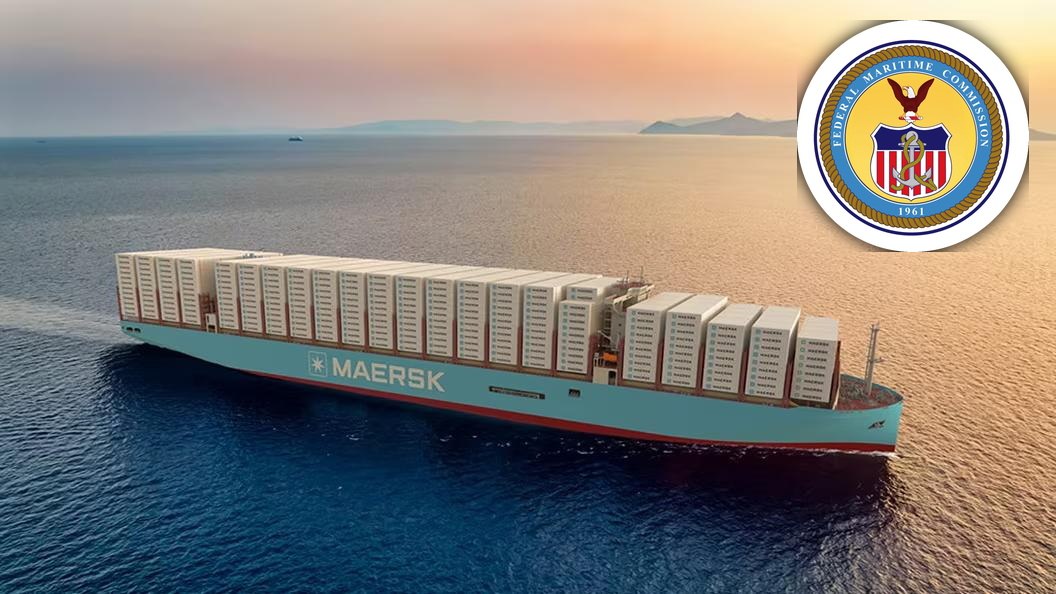
The Federal Maritime Commission said it collected a $1.9 million civil penalty from Maersk A/S after resolving allegations tied to detention charges billed to third parties.
According to the FMC, the case involved detention charges assessed under Maersk service contracts and tariffs against third parties that had not consented to Maersk’s bills of lading, service contracts or tariffs. Maersk agreed to pay the penalty but did not admit violations of the Shipping Act or FMC rules.
The agreement also requires Maersk to stop the practice, amend its U.S. tariff rules and limit the definition of “merchant” in its bills of lading to shippers, consignees and beneficial cargo interests as defined by FMC regulations. The agency said Maersk will issue refunds and waivers to affected third parties.
For importers, exporters and drayage providers, the settlement is a reminder that the legal details around detention billing still matter. The question is not only whether a container sat too long at a terminal or rail ramp. It is also whether the party receiving the bill was actually bound by the carrier’s contract terms.
FreightWaves reported that Maersk agreed to the settlement over third-party billing and noted that civil penalty payments go to the U.S. General Fund, not to the FMC.
The case comes as shippers continue to scrutinize detention and demurrage practices under the Ocean Shipping Reform Act era. The FMC did not frame the settlement as a broader industry action, but the agreement gives cargo interests another data point as they review who can be billed, under what terms and how disputes should be documented.

Ocean Freight
Hormuz tanker traffic is inching back, but oil flows remain far below normal
Tankers are moving through Hormuz again, but limited flows and insurance conditions keep energy supply chains exposed to delay.
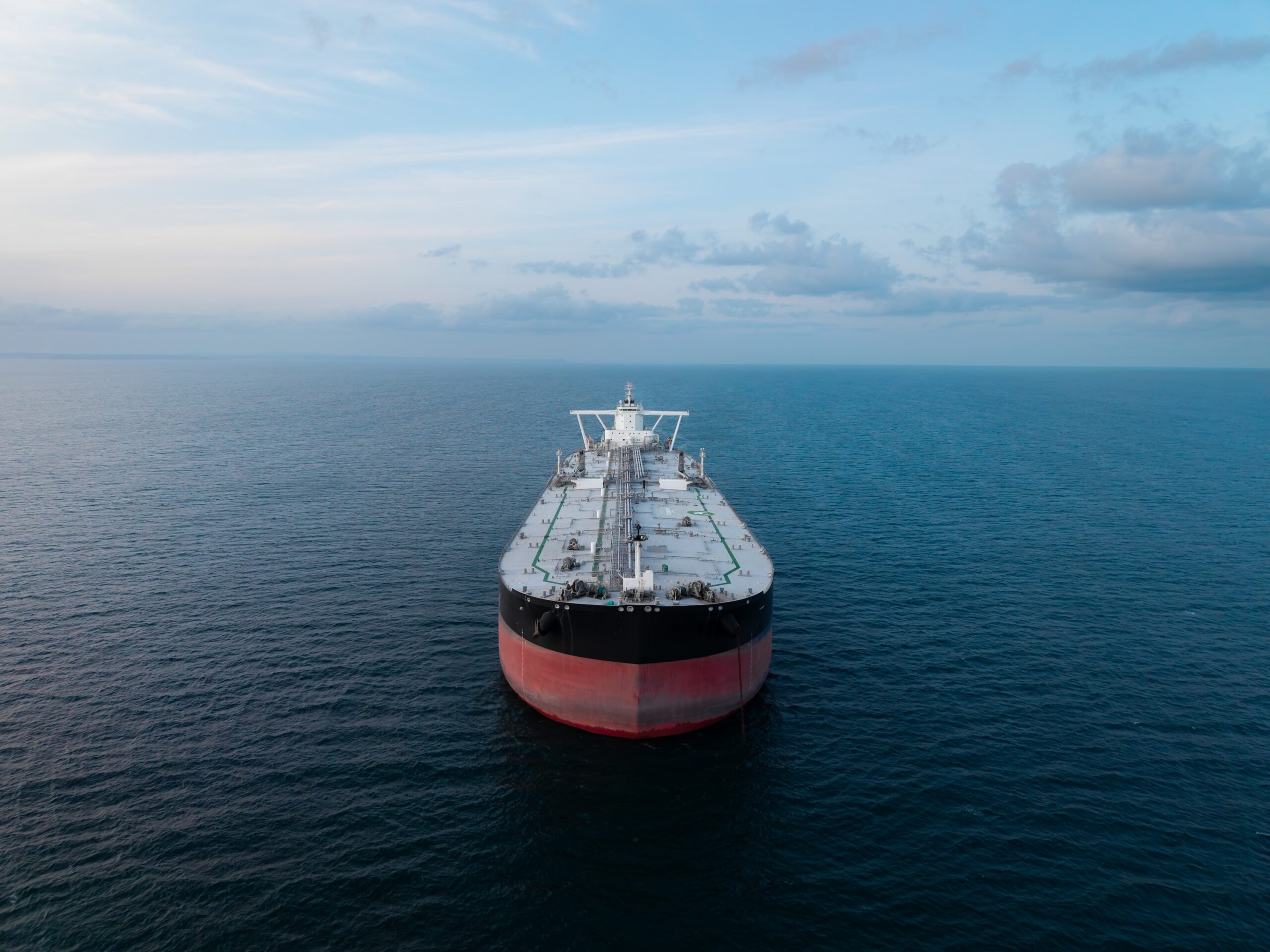
Tankers are moving through the Strait of Hormuz again, but the corridor is not back to normal.
Reuters, carried by Al-Monitor on May 27, reported that a COSCO-operated products tanker was crossing the strait after two crude tankers sailed through in the prior day. The same report, citing shipping-data providers and brokers, said overall traffic remained limited. Before the Iran war began on Feb. 28, the strait averaged 125 to 140 daily passages. Recent average daily transits were around 11 vessels, according to Clarksons analysis cited in the report.
That gap matters more than the movement of any single tanker. Hormuz is the main outlet for Gulf crude, refined products and liquefied natural gas. The U.S. Energy Information Administration has described it as the world’s most important oil transit chokepoint, with 2022 oil flows averaging 21 million barrels per day, or about 21% of global petroleum liquids consumption.
The recent crossings suggest some operators are testing the lane again, but shipping markets are still treating the route as a high-risk corridor. The Al-Monitor/Reuters report cited tanker broker Gibson as saying pre-war traffic would require several conditions, including security guarantees, mine clearance and a renewed insurance framework.
For supply chain teams, the operational problem is not limited to crude oil buyers. Refined products, petrochemical feedstocks, fertilizers, plastics inputs and energy-intensive manufacturing all sit downstream from Gulf flows. When tanker traffic slows, buyers can face late cargoes, tighter spot availability, higher delivered energy costs and more difficult nominations for future supply.
The planning response should be specific. Procurement teams should identify suppliers with direct exposure to Gulf feedstocks or refined products. Logistics teams should ask whether vessels, cargoes or counterparties require additional war-risk cover. Finance teams should stress-test landed-cost assumptions for fuel, resin, chemicals and fertilizers rather than treating crude benchmarks as the whole story.
A partial reopening also creates a timing risk. If a handful of vessels move while most traffic stays constrained, buyers may see uneven relief: one cargo clears, another waits, and insurance or security approvals become the bottleneck. That can be harder to manage than a clean closure because schedules look possible until they slip.
The useful read for supply chains is cautious. Hormuz traffic is no longer frozen, but the lane is still operating far below normal. Until security, insurance and traffic volumes recover together, energy-linked supply chains should plan for delays and price volatility rather than a clean reset.
Sources

The Untold Logistics of Running a Resort in Paradise (With Glenn Jampol)

DHL and USPS sign $10B-plus last-mile parcel agreement

FMC collects $1.9 million from Maersk over detention billing dispute

Accenture backs Aera as companies push AI into supply-chain decisions

Kuehne+Nagel and Hapag-Lloyd expand low-emission ocean-freight deal
